Latest Creative Technology News
Technology is evolving rapidly. New developments in artificial intelligence, assistive technology, accessibility, education technology, sensory innovation and inclusive design are creating opportunities for disabled people around the world. This page brings together the latest news and updates from trusted sources so you can stay informed about emerging trends and innovations.
Why Follow Creative Technology News?
Technology has the potential to remove barriers, improve communication, support learning and increase participation. For disabled children and adults, new innovations can create opportunities that were previously unavailable. Staying informed helps families, educators, support workers and organisations discover tools and ideas that may improve everyday life.
Creative Tech NZ focuses on practical technology that supports inclusion. We are interested in solutions that help people communicate, learn, create, play, work and participate more fully in their communities.
What You Will Find Here
- Artificial Intelligence and accessibility updates
- Assistive technology innovations
- Inclusive education technology news
- Sensory technology developments
- Accessible gaming and adaptive technology
- Creative technology projects and success stories
- Accessibility and inclusive design trends
- Emerging technologies that may benefit disabled people
Latest Technology Updates
The news feed below is designed to update automatically as new content becomes available from trusted technology, accessibility and disability-related sources.
Innovation Through Inclusion
The most powerful technology is not necessarily the most advanced. It is the technology that helps people participate, connect, learn and belong. By following the latest developments in creative technology, we can better understand how innovation can create a more accessible and inclusive future for disabled people and disabled children.
Technology, Accessibility and the New Zealand Election 2026
Technology has the power to remove barriers and create opportunities for disabled people. Decisions made by government influence funding for assistive technology, digital accessibility, inclusive education, employment and innovation. Our Elections 2026 resource explores the disability policies that could shape New Zealand's technological future.
AI, Accessibility and Innovation
Explore how government policy could influence artificial intelligence, accessibility, digital inclusion and emerging technologies for disabled New Zealanders.
Explore Digital InclusionInclusive Education
Learn about disability policy, technology in education, learning support and opportunities for disabled children and students.
View Education IssuesTechnology, Employment and Independence
Discover how disability policy affects employment, assistive technology, income support, innovation and independent living.
Learn MoreElection News
Stay informed about disability policy announcements, election developments and technology-related accessibility initiatives throughout the 2026 campaign.
Latest Election NewsExplore our independent Elections 2026 Disability Hub for political party policies, disability legislation, community perspectives, accessibility issues and election news affecting disabled New Zealanders.
Explore the Elections 2026 Disability Hub
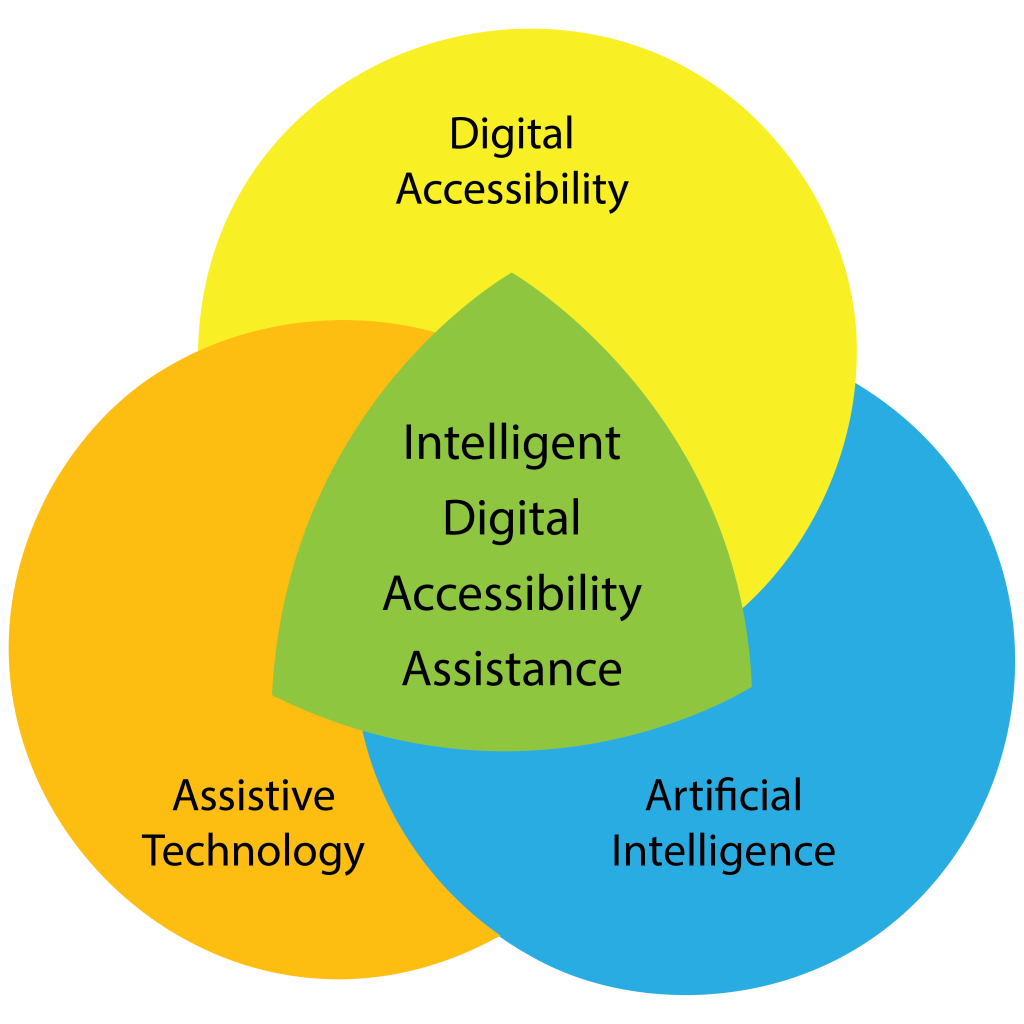
AI and Accessibility News
Latest developments in artificial intelligence, accessible communication, assistive tools and inclusive design.
MIT News - Artificial intelligence MIT news feed about: Artificial intelligence
- Q&A: Building accountability behind our words — and AI’s — in civic conversations
 by Peter Dizikes | MIT News on October 13, 2026 at 4:00 am
Professor Deb Roy contends there should be someone who is “answerable” for every piece of text in public life, no matter its origins.
- 3 Questions: What is the best path forward for AI in academia?by Stefanie Koperniak | Institute for Data, Systems, and Society on October 8, 2026 at 9:25 pm
MIT Statistics and Data Science Center Director Alexander (Sasha) Rakhlin shares important considerations for departments and institutions.
- Using AI to mitigate the growing environmental threat of data centersby Adam Zewe | MIT News on October 8, 2026 at 4:00 am
By rethinking how large cloud computing systems operate, Associate Professor Christina Delimitrou seeks to make data centers more energy efficient.
- Discovering the value of humanistic inquiryby Elizabeth Durant | Division of Graduate and Undergraduate Education on October 7, 2026 at 8:10 pm
Students in MIT’s Concourse program delve deeply into the human condition, debate challenging questions, and learn to develop judgment about issues that can’t be quantified.
- Supercomputing researchers document evolution of AI hardwareby Haley Wahl | MIT Lincoln Laboratory on October 6, 2026 at 8:55 pm
An ongoing survey tracks the latest AI accelerator systems to keep hardware relevant for Lincoln Laboratory staff and sponsors.




Assistive Technology News
Stay up to date with the latest assistive technology news, innovations and accessibility solutions supporting disabled people worldwide.
MIT News - Assistive technology MIT news feed about: Assistive technology
- MIT class project turns into an FDA-cleared treatment for tremorsby Zach Winn | MIT News on October 2, 2026 at 4:00 am
Wristband device from Encora Therapeutics started as a project in 2.009, MIT’s iconic product-design class.
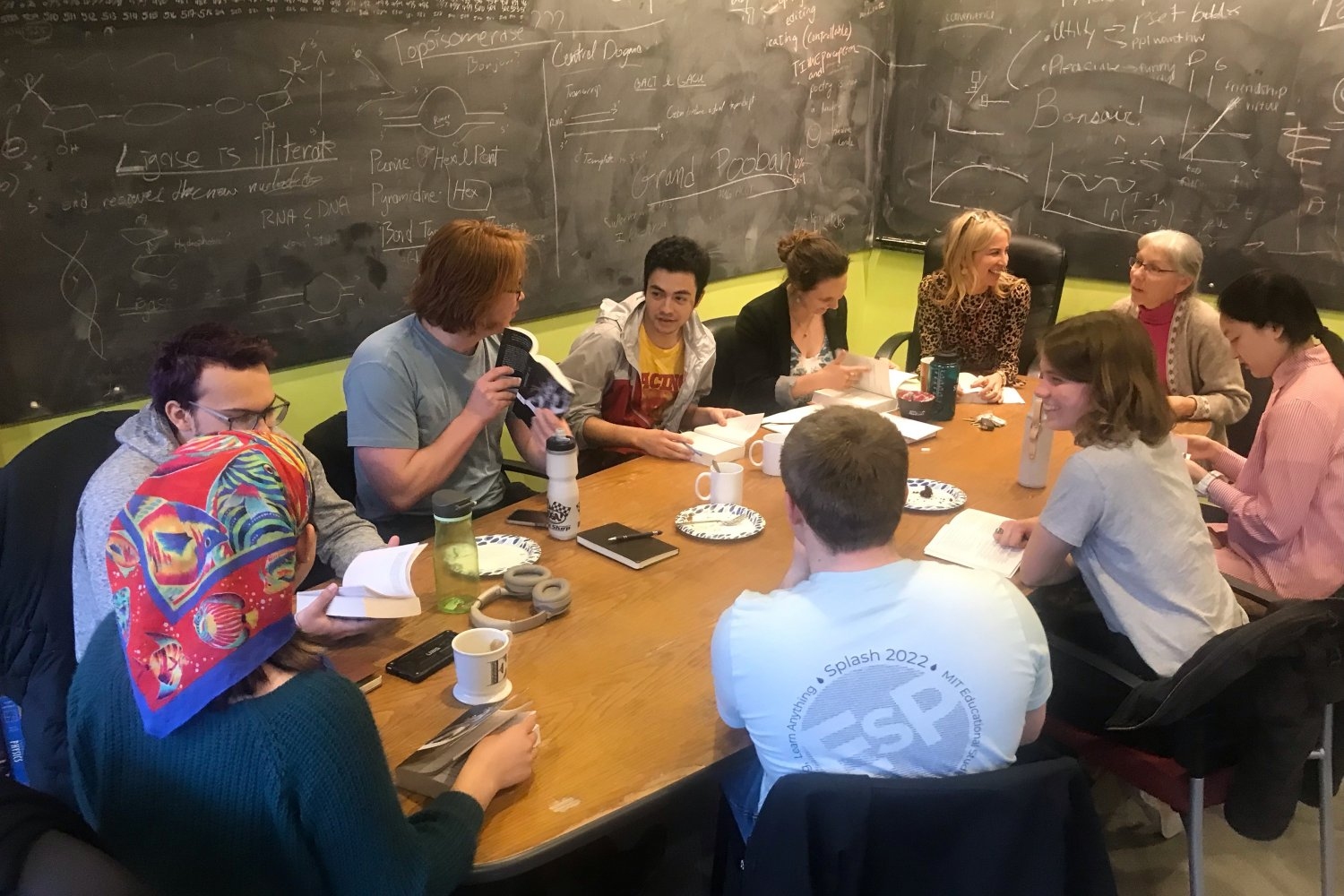
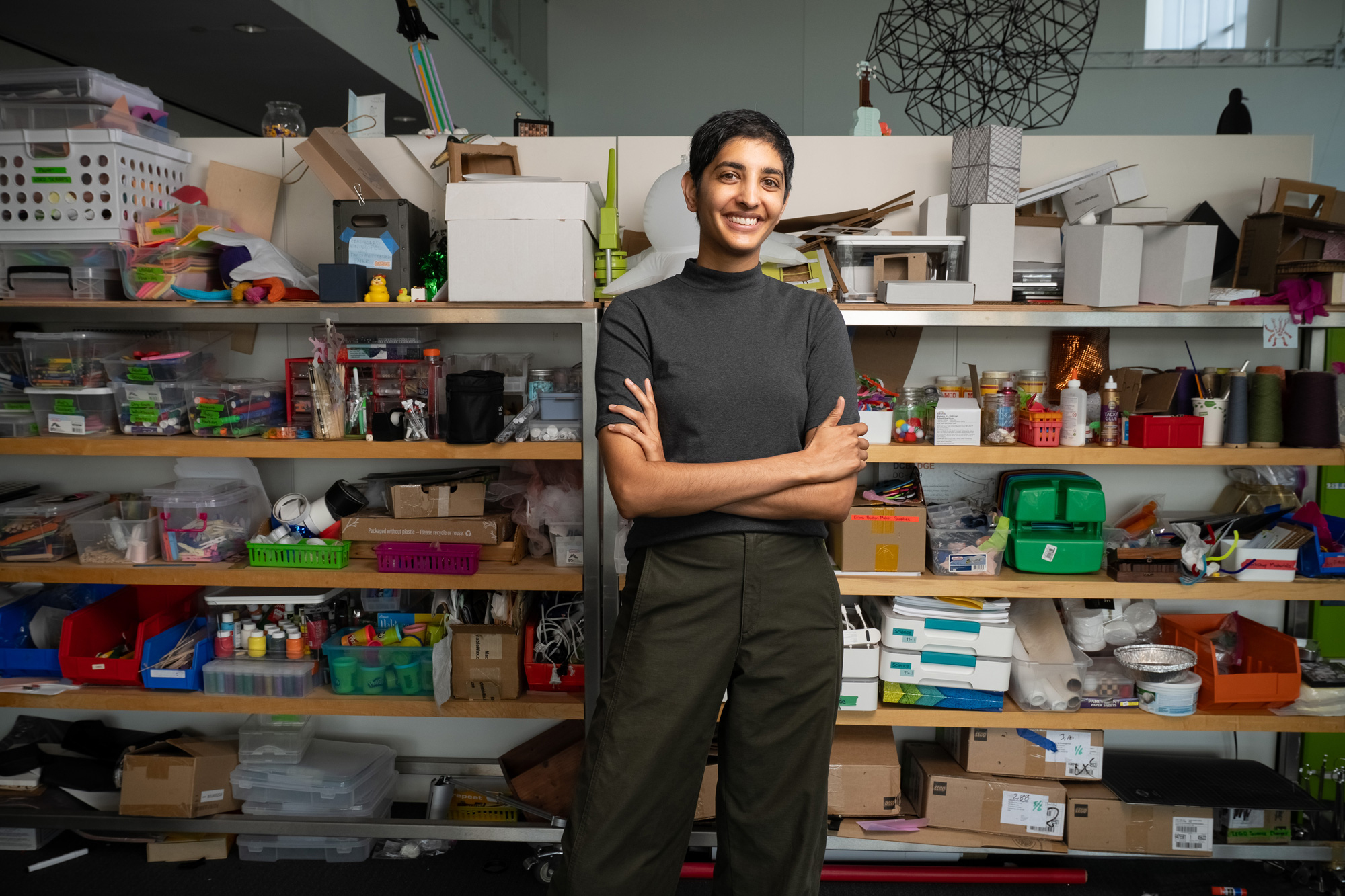
- Ila Kumar: Innovating with communitiesby Gitana Savage | MIT News correspondent on September 1, 2026 at 4:00 am
The PhD student works to give young people an active role in shaping digital technologies that can support their own well-being.
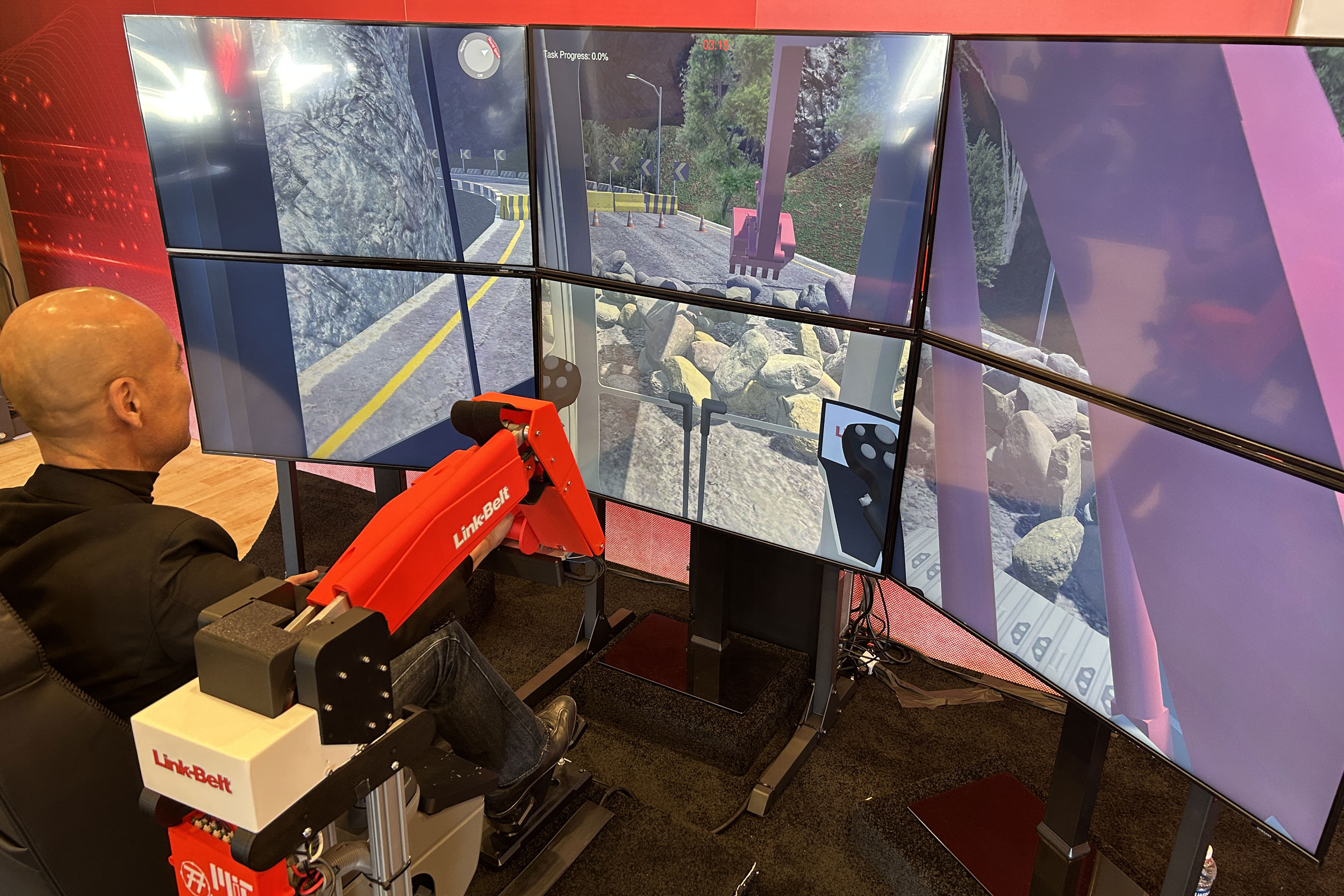
- MIT engineers design a better controller for operating construction diggersby Jennifer Chu | MIT News on August 20, 2026 at 4:00 am
The new, more intuitive system could speed up the training process for excavator operators.
- Personalized physical therapy: Stroke rehabilitation powered by AIby Anne Wilson | Department of Mechanical Engineering on August 5, 2026 at 6:15 pm
MIT engineers introduce an adaptive physical therapy system that uses generative AI to learn from physical therapists and interactively support stroke patients.
- Ultrasound-based pacemaker noninvasively steadies the heartby Jennifer Chu | MIT News on June 2, 2026 at 9:00 am
The new design could offer a surgery-free alternative to traditional cardiac implants.


Creative Technology for Disabled Children
Latest news, tools and innovations helping disabled children communicate, learn, create, play and participate more fully in everyday life.
Microsoft Accessibility Blog Making technology easier to see, hear and use!
- A Decade of Building for Everyone
 by Microsoft Accessibility Blog on January 29, 2026 at 8:12 pm
The post A Decade of Building for Everyone appeared first on Microsoft Accessibility Blog.
- Forrester Research: As technology has evolved, so has the need for accessibility.by Microsoft Accessibility Blog on December 3, 2025 at 5:01 pm
The post Forrester Research: As technology has evolved, so has the need for accessibility. appeared first on Microsoft Accessibility Blog.
- Co-Creating Mental Health Solutionsby Mary Bellard on October 10, 2025 at 9:27 pm
The post Co-Creating Mental Health Solutions appeared first on Microsoft Accessibility Blog.
- Microsoft’s commitment to the European Accessibility Actby Microsoft Accessibility Blog on June 26, 2025 at 4:00 pm
The post Microsoft’s commitment to the European Accessibility Act appeared first on Microsoft Accessibility Blog.
- AI in Action: Celebrating Global Accessibility Awareness Dayby srodemeyer on May 15, 2025 at 2:55 pm
The post AI in Action: Celebrating Global Accessibility Awareness Day appeared first on Microsoft Accessibility Blog.

Inclusive Education Technology
Latest updates on inclusive teaching, disability support, assistive technology and accessible learning.
ADCET News Latest news from ADCET - Australian Disability Clearinghouse on Education and Training
- Disability Governance Committee - Uni Melbourneon October 13, 2026 at 2:08 am
The University of Melbourne's Disability Governance Committee is a newly established governance body to provide oversight and advice on the University’s programs of work in disability access and inclusion. The University is seeking members for its Disability Governance Committee, which will oversee disability access and inclusion across the University. Positions are open to staff and students with disability, a senior academic, and external community members with disability inclusion expertise. Applications close 23 October 2026. Applications close 23 October 2026.
- Research collaboration on Generative AI and students with dyslexia in higher education (Deakin/Coventry)on October 13, 2026 at 1:48 am
Do you have dyslexia and study at a university in Australia or the UK? Researchers from Deakin University and Coventry University are exploring how students with dyslexia use Generative AI tools like ChatGPT, Gemini and Claude in academic writing. Participants must be 18 or older and currently enrolled at an Australian or UK higher education institution. No formal diagnosis is needed. The study involves a survey, a short writing task and an interview, and participants are reimbursed for their time.
- Disability Inclusion Advisory Committee Members - Expressions of Intereston October 12, 2026 at 2:10 am
The Australian Tertiary Education Commission (ATEC) is seeking expressions of interest from individuals with lived experience of disability and/or significant expertise in disability inclusion in higher education to serve on the Disability Inclusion Advisory Committee (DIAC). The DIAC will play a critical role in advising ATEC – and through ATEC the Australian Government – on reforms that will improve supports for and the experience of students and staff in higher education. Applications close: Wednesday 28 October 2026
- International Journal for Students as Partners - Call for Paperson October 12, 2026 at 1:03 am
The International Journal for Students as Partners (IJSaP) is calling for proposals for a special section. They advocate for research that includes students with disabilities as collaborators, contributors, and active partners in shaping learning environments, policies, and practices rather than passive recipients of educational support. Expanding research to include students with disabilities and co-designing studies with them, may reveal new aspects of inclusive education, remove barriers, prompt institutional change, and create a more accessible and inclusive learning environment for all. Submissions close: Sunday 15 November 2026
- ATEC: Have your say on the Statement of Strategic Prioritieson October 7, 2026 at 2:31 am
ATEC is inviting feedback on the Australian Tertiary Education Commission's (ATEC) Statement of Strategic Priorities (SSP) and summary draft of the Work Plan for 2027-28. The SSP is a key stewardship document that provides strategic direction for the tertiary education system and informs the development of mission-based compacts between ATEC and providers. Building on ATEC's interim SSP released in May 2026, the SSP consultation paper identifies proposed priorities that have been shaped by engagement with the Minister for Education, mission based compact negotiations, and engagement across the sector. Submissions close: Friday 30 October 2026
Accessibility and Inclusion News
Latest updates on web accessibility, inclusive design, assistive technology and digital access for disabled people.
WebAIM Blog The WebAIM Web Accessibility Blog
- If you have to ask, is it accessible?by George Joeckel on August 31, 2026 at 8:02 pm
As one of the researchers identifying products and tools for inclusion in the NCADEMI EdTech Accessibility Directory, VPATs have been on my mind. Most of the product vendors in the directory that do have VPATs do not provide them publicly, but instead require a potential customer to request the VPAT. This really surprised me, and
- An Extension is Not an Excuseby John Northup on May 28, 2026 at 9:20 pm
The Department of Health and Human Services recently announced a one-year extension of the compliance dates for web content and mobile app accessibility requirements under Section 504 of the Rehabilitation Act. The requirements themselves are not new in substance: covered recipients of HHS federal financial assistance must make covered web content and mobile apps conform
- Tolerating Inaccessibilityby Christopher Phillips on April 30, 2026 at 5:50 pm
The latest WebAIM Million report shows that detectable homepage accessibility errors increased over the past year. This article considers what those results may reveal about the organizational and societal forces that continue to deprioritize accessibility, and challenges us to imagine a world where inaccessibility is no longer tolerated.
- Ask AIMee: An accessible accessibility-focused AI chatbotby Jared Smith on March 31, 2026 at 4:49 pm
We’re happy to introduce AIMee – an easy-to-use, AI-powered conversational chatbot focused on accessibility. AIMee has been designed to be highly accessible to users with disabilities. Ask her accessibility questions to get quick answers and guidance. The name “AIMee” plays off of the “AIM” (Accessibility In Mind) from “WebAIM” and also “AI”. Here are some
- A New Path for Digital Accessibility?by George Joeckel on February 27, 2026 at 7:02 pm
Please note This post will explore how an adaptive, intelligent system could empower users with disabilities to optimize their experience in digital environments. Even were such a system available tomorrow, developers of digital content, services, and products would still be responsible for providing equal access to ALL users. Consider a few of the many exciting